Hard facing for high-wear surfaces
Hard facing uses specialized welding procedures to add abrasion resistance to high-wear surfaces such as buckets and blades.
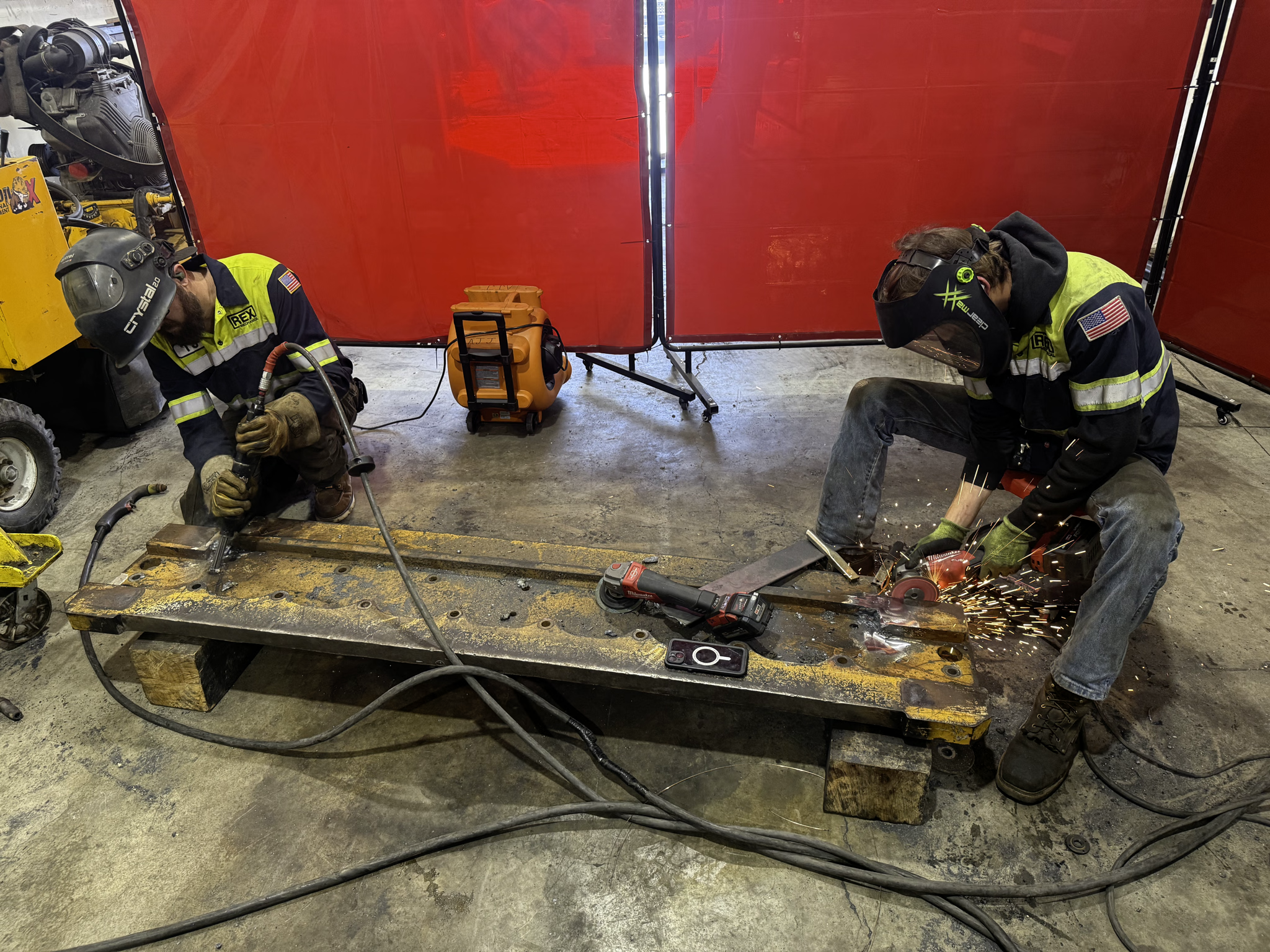
Ground-engaging surfaces disappear. A bucket lip, a blade edge and a grouser bar all lose material to abrasion, and once enough is gone the part stops doing its job long before the machine does.
Hard facing lays down a harder, abrasion-resistant deposit where the wear happens. It extends the life of the part that is already on the machine, which is usually cheaper than replacing it and always faster than waiting for one.
What the work includes
- Bucket lips, teeth and side cutters
- Dozer and grader blade edges
- Wear plates and ground-engaging surfaces
- Rebuild of worn areas before facing
- Applied in the shop or onsite as access allows
Common questions
- When is the right time to hard face a bucket?
- Before the base metal is compromised. Facing a surface that still has material left is straightforward; rebuilding one that has worn into structure is a bigger job. Earlier is cheaper.
- Does hard facing work on any material?
- It depends on the base metal and what the surface actually does. Bring the part or send photos and measurements — that is a question about a specific component, not a general one.
- How long does it last?
- That depends entirely on what you are digging in. Abrasive ground eats a surface faster than soil does, and no honest answer to this is a single number.
Tell us about the unit
What it is, what it’s doing, and whether it’s drivable.